
TL;DR: Metal roofing suits Utah homes because it handles temperature swings, hail, wind, snow, and intense sun while requiring less upkeep and lasting longer than many traditional materials.
Between blazing summers and snow-heavy winters, your roof in Utah faces demanding conditions year after year. That’s one reason more homeowners are choosing longer-lasting materials like metal instead of replacing worn-out shingles every few years.
The global metal roofing market was valued at USD 20.4 billion in 2025 and is expected to grow to USD 30.6 billion in 2033, reflecting increasing confidence in this roofing material.
While its ability to withstand Utah’s climate is a major advantage, that’s far from the only reason to make the switch. Below, you’ll discover 7 benefits of metal roofing in Utah, from energy savings to low maintenance and increased curb appeal.
Quick Answer: Metal roofing combines weather resistance, a long service life, energy performance, and flexible design options, making it a practical choice for Utah’s changing conditions.
1. Built to Handle Utah’s Extreme Temperature Swings
Utah homeowners know the frustration of a roof that cannot keep up with the state’s dramatic seasonal shifts.
Summer pushes well into the 90s and beyond, while winters bring freezing temperatures and heavy snow loads. These seasonal extremes wear down traditional shingles faster than most people realize.
Metal roofing for Utah weather performs differently.
Metal panels expand and contract without the cracking or brittleness commonly seen in some roofing materials. That means less strain on your attic insulation and a more consistent indoor temperature no matter the season.
What This Means for You: A roofing system that handles repeated expansion and contraction is less likely to weaken as Utah moves between hot summers and freezing winters.
2. Exceptional Durability Against Hail, Wind, and Snow
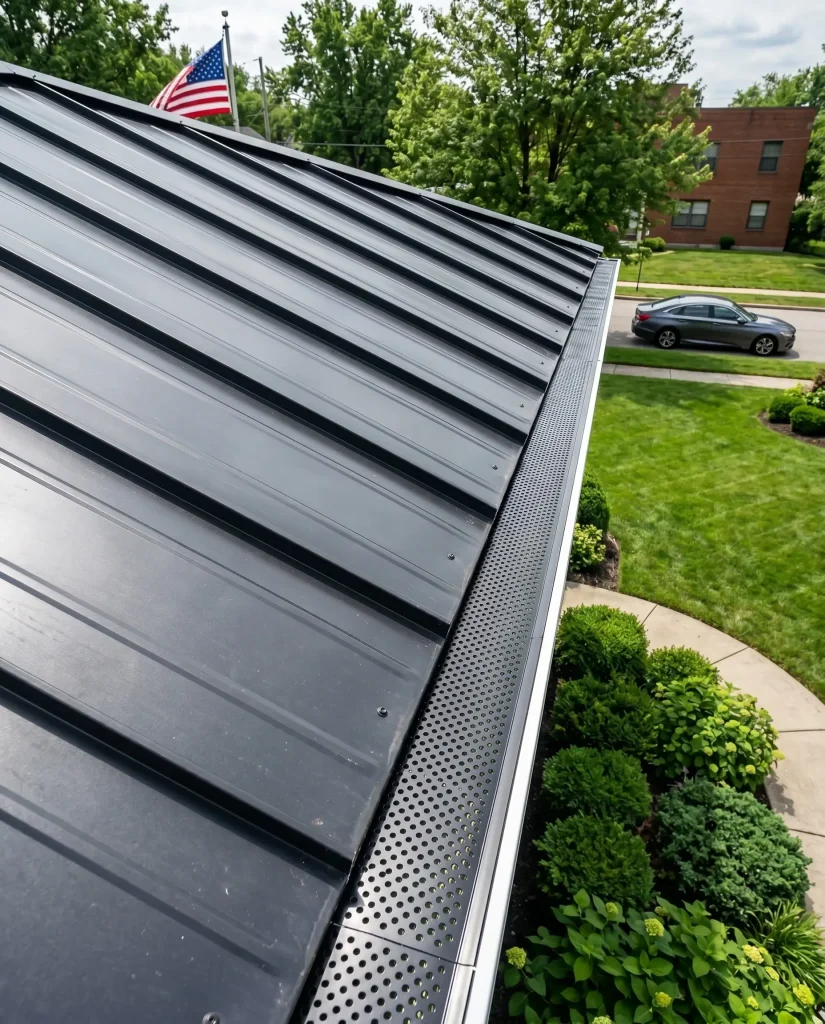
Utah’s mountainous terrain brings its share of severe weather, from spring hailstorms to high-altitude wind gusts. This is where metal roof durability in extreme weather truly shines.
Quality metal roofing systems are rated to withstand wind speeds well over 100 miles per hour, and many products carry a Class 4 impact rating, the highest hail-resistance rating available.
Snow also slides off metal roofing more easily than it does off asphalt, reducing the risk of ice dams and the water damage that often comes with them. For homeowners in higher-elevation areas like Park City or the Wasatch Front, that added protection can prevent costly repairs year after year.
Before You Choose: Ask about the specific wind and impact ratings of the metal roofing product being considered. Performance can vary between materials and systems.
3. A Roofing Investment That Lasts for Decades
Few home improvements offer the kind of long-term value that a metal roof does.
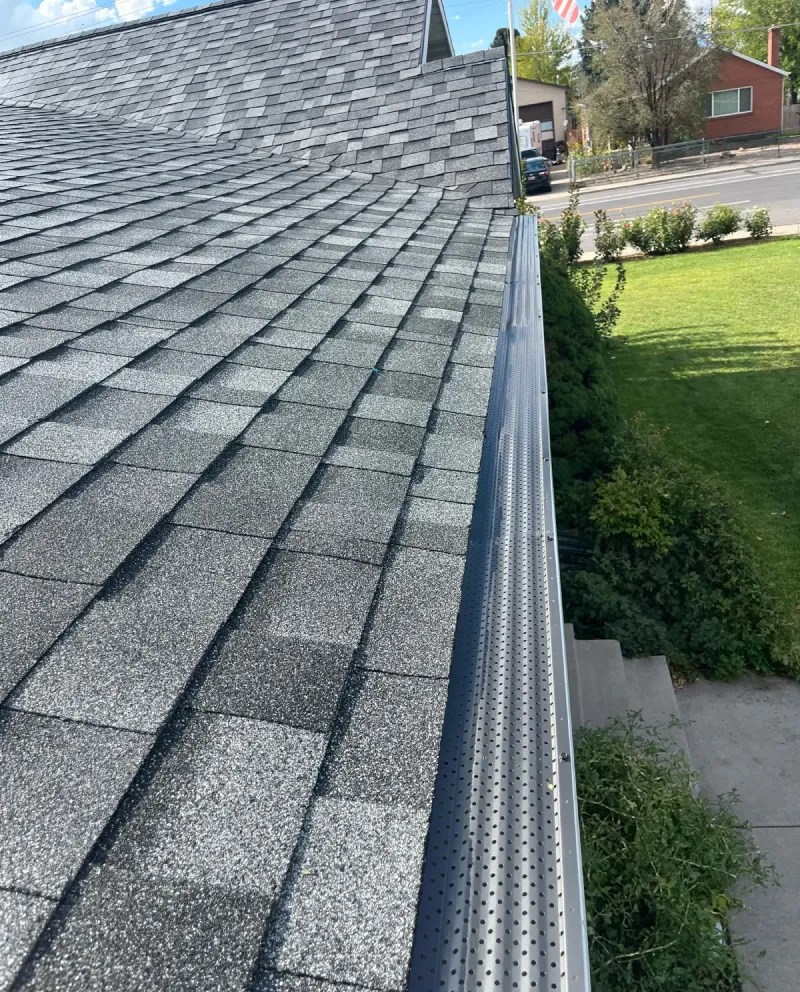
While asphalt shingles typically need replacing every 20-25 years, metal roofs generally last anywhere from 40 to 70+ years, depending on the material, climate, and maintenance they receive. Some premium metal options, like copper or zinc, can perform well past that.
This kind of lifespan makes metal one of the best roofing materials for Utah climate conditions, since homeowners are not stuck replacing their roof every couple of decades. Over the life of a home, that translates to real savings on materials and labor.
Key Takeaway: A longer lifespan may mean fewer full replacements during the time you own the home, reducing future disruption as well as material and labor needs.
4. Lower Energy Bills Throughout the Year
Utah’s hot, dry summers can send cooling costs soaring, especially in homes with older, heat-absorbing roofing materials. Metal roofing reflects a significant portion of solar radiant heat rather than trapping it, which keeps attics cooler and eases the load on air conditioning systems.
Many metal roofing systems also work well with radiant barrier underlayments and added insulation, giving homeowners even more control over indoor temperatures. Over time, those energy savings add up, especially for homes that see direct summer sun for much of the day.
How It Works: Metal roofing reflects more solar heat instead of absorbing it into the attic. Ventilation, insulation, and the roof finish all influence the final result.
5. Minimal Maintenance, Maximum Peace of Mind
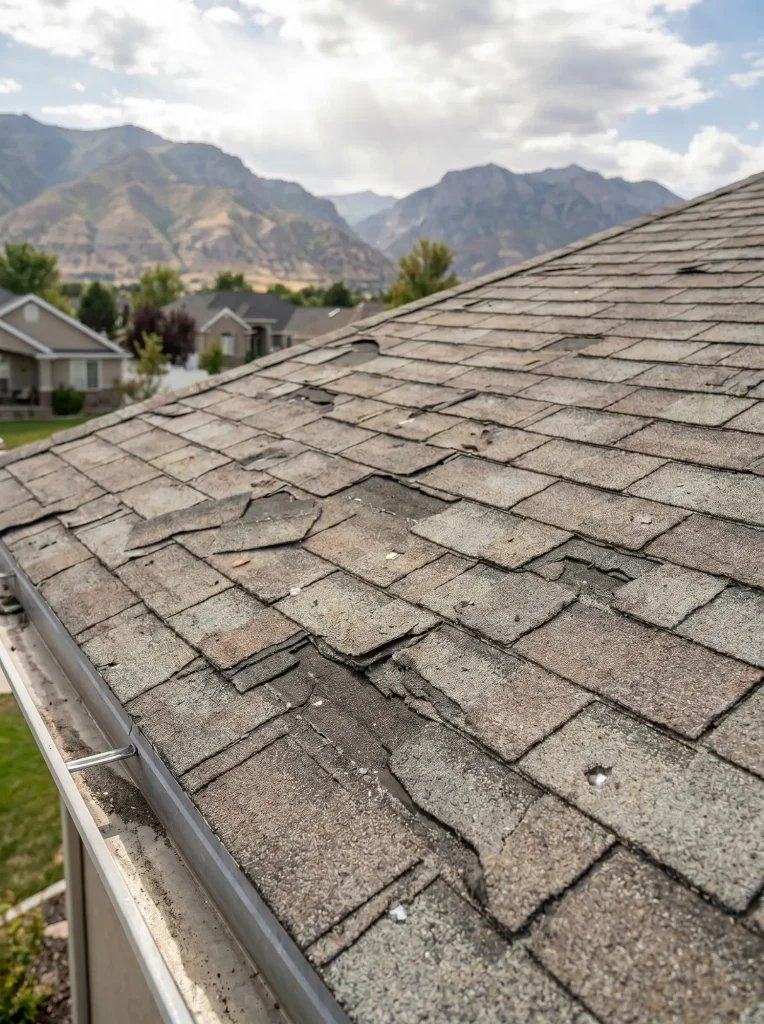
Traditional roofing materials often require frequent inspections, repairs, and replacement of damaged shingles after every major storm. Metal roofing takes much of that burden off homeowners. It resists cracking, curling, and moss growth, and holds up to Utah’s freeze-thaw cycles far better than asphalt.
Routine care mostly involves clearing debris and checking for loose fasteners after severe weather events. That is a considerable change for homeowners tired of climbing onto the roof every season to patch problem spots.
Tip: Check the roof after severe weather and keep valleys, gutters, and drainage areas clear. Small maintenance steps can help the system continue performing properly.
6. Increased Home Value and Curb Appeal
Metal roofing has come a long way from its utilitarian reputation. Today’s systems come in a wide range of colors, finishes, and styles, including options that mimic the look of shingles, slate, or wood shakes. That versatility means homeowners do not have to sacrifice style for performance.
Beyond aesthetics, a metal roof is a strong selling point for buyers who understand its durability and lower long-term costs. Many homeowners see a solid return on investment when it comes time to sell, since a newer metal roof signals fewer maintenance headaches for the next owner.
An Upgrade That Pays Off: Metal roofing combines lasting durability with modern curb appeal, helping homeowners enjoy the benefits now while adding value for future resale.
7. Better Protection for Utah’s Fire-Prone Areas
Wildfire risk is a real concern in many parts of Utah, particularly in areas bordering forests and dry brush. Unlike wood shakes or asphalt shingles, metal roofing is noncombustible and carries a Class A fire rating, the highest level of fire resistance for residential roofing.
For homeowners in wildfire-prone communities, that added layer of protection offers real peace of mind, especially during Utah’s hot, dry summer months when fire risk climbs.
Why It Matters: For homes near dry vegetation or wooded areas, a fire-resistant roof can be an important part of an overall wildfire protection strategy.
Choose a Roof That Works as Hard as You Do
Utah’s weather is not getting any easier to predict, and a roof that can handle temperature swings, hail, high winds, and heavy snow is no longer a luxury. It is a practical investment.
From its impressive lifespan to low upkeep and a range of styles and materials available, metal roofing checks nearly every box homeowners care about when it comes to protecting their property for the long haul.
Choosing the right roofing material is only half the equation. The other half comes down to working with a team that understands Utah’s unique climate and installs every system correctly the first time.
That is where Utah Roofing Services comes in.
With a deep understanding of local weather patterns and a track record of quality installations, we help homeowners select the right metal roofing system for their home, climate, and budget, backed by craftsmanship built to last.
Our team takes pride in delivering a smooth roofing experience from start to finish. With dependable communication, careful workmanship, and attention to every detail, we make sure your new roof is installed with the quality and care your home deserves.
Start your metal roofing project with a team you can trust. Contact Utah Roofing Services today.
Frequently Asked Questions
Is metal roofing a good choice for Utah’s climate?
Yes. Metal roofing is well suited to Utah’s heat, snow, wind, hail, and frequent temperature changes.
How well does a metal roof handle hail, wind, and heavy snow?
Quality metal roofing can offer strong wind and impact resistance, while its smooth surface helps snow shed more easily.
How long does a metal roof typically last?
A properly installed and maintained metal roof can last several decades, often much longer than traditional asphalt shingles.
Can metal roofing help improve energy efficiency?
Yes. Metal roofing reflects more solar heat than many traditional materials, which may help keep the attic cooler during hot summers.
Is metal roofing worth considering over asphalt shingles?
It may be a good long-term choice for homeowners who value durability, lower maintenance, energy performance, and a longer service life.