
TL;DR: A new roof may support home value by improving curb appeal, buyer confidence, structural protection, energy performance, and long-term reliability. The benefits are strongest when replacement is genuinely needed and completed with suitable materials and proper installation.
If you’re weighing whether roof replacement is worth the investment, the numbers make a strong case.
According to the 2025 Cost vs. Value Report, an asphalt shingle roof replacement retains an estimated 68% of its cost at resale nationally. That represents a meaningful return for a major exterior improvement.
Whether you’re planning to sell soon or simply want to protect your property for years to come, understanding the benefits of roof replacement can help you make a smarter decision. Below, you’ll find 7 reasons a new roof does more than stop leaks.
Quick Answer: Roof replacement can boost a home’s practical and perceived value by removing a major maintenance concern and improving its overall condition. However, it does not guarantee a specific increase in the sale price or appraisal.
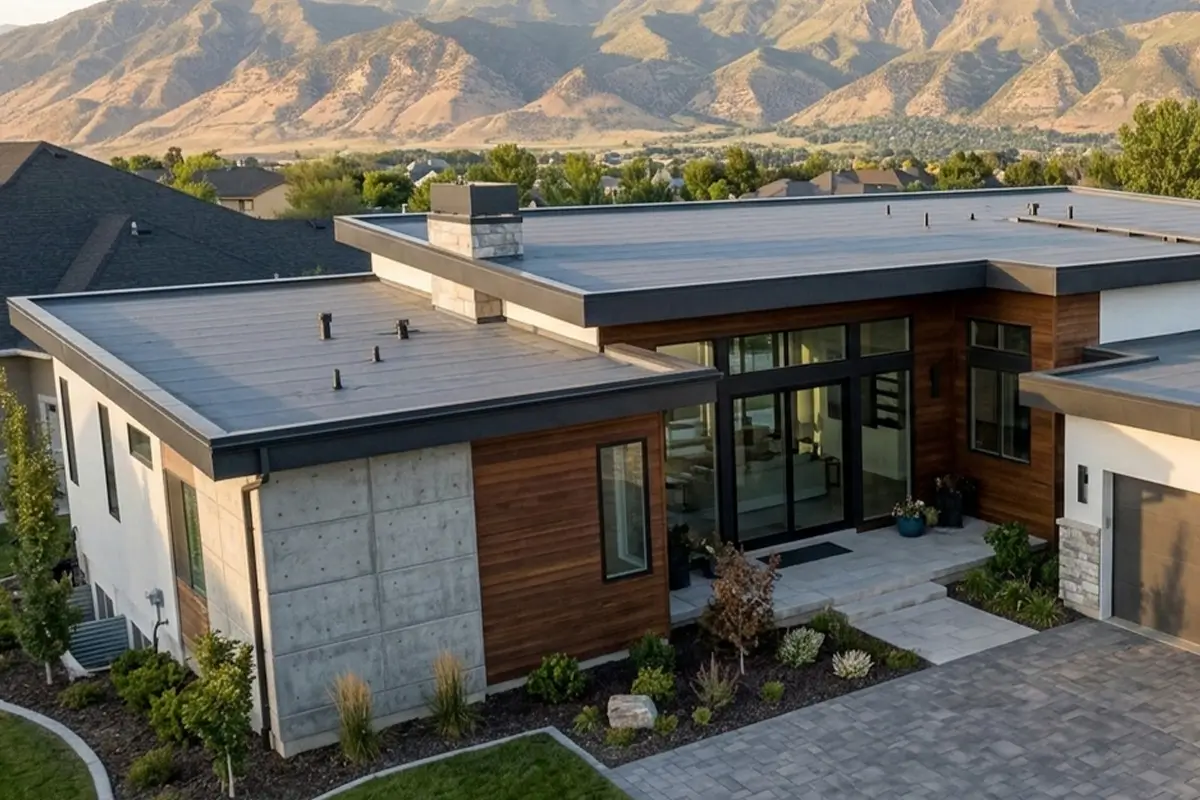
1. Delivers a Strong Return on Investment
A roof replacement may allow homeowners to retain a meaningful portion of the project cost when they sell. Unlike purely cosmetic improvements, a sound roof addresses a functional concern that matters to nearly every buyer.
Roof age and condition may also influence how buyers, inspectors, and appraisers view the property. Although a new roof does not guarantee a specific increase in appraised value or sale price, it can strengthen the home’s overall condition and reduce concerns about near-term repairs.
For homeowners deciding where to invest their renovation budget, replacing a roof that is damaged or approaching the end of its service life may be more practical than completing cosmetic upgrades first.
What This Means for You: A necessary roof replacement may offer more practical value than a cosmetic upgrade because it addresses a major part of the home’s condition. It can also reduce uncertainty for future buyers.
2. Enhances Curb Appeal
The roof covers a significant portion of your home’s visible exterior, so its condition sets the tone before a buyer even steps inside. Faded shingles, moss growth, or visible sagging can make an otherwise well-maintained home look neglected.
A fresh roof, on the other hand, gives your property a clean, cohesive look that pairs well with landscaping, paint, and other modifications. This visual boost matters most in competitive markets, where first impressions often determine whether a buyer schedules a showing at all.
Key Takeaway: Buyers often form an opinion about a property before entering it. A clean, consistent roofline can make the entire exterior appear better maintained.
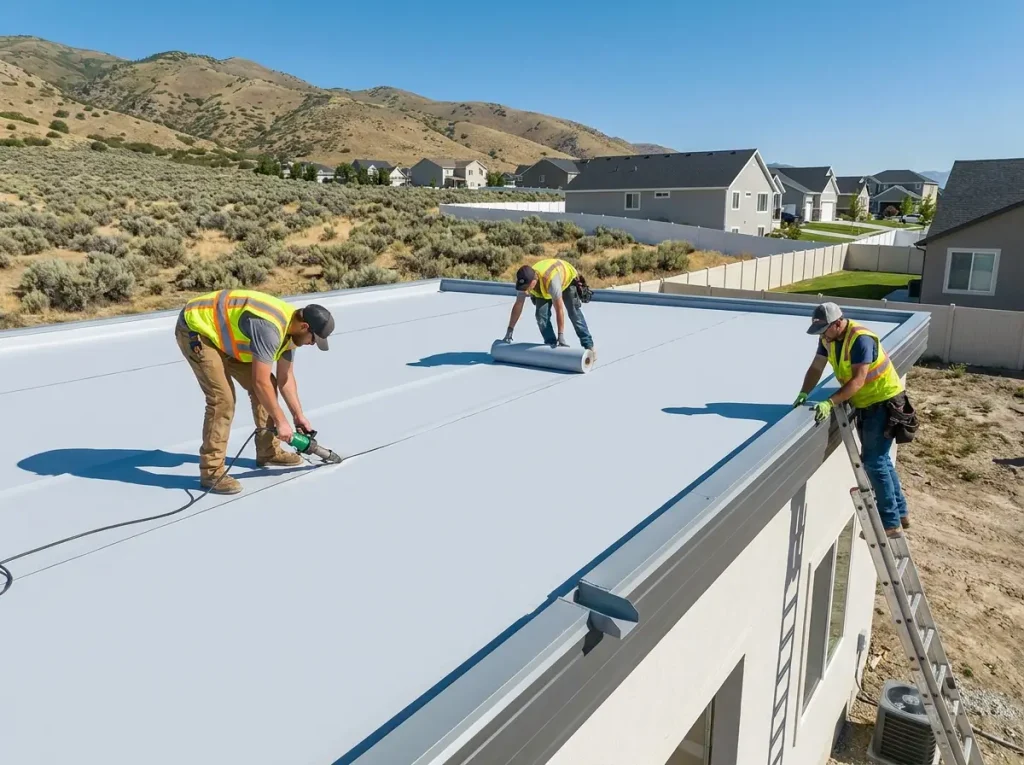
3. Removes a Major Negotiation Obstacle
Buyers and their inspectors pay close attention to roof condition, and an aging or damaged roof can quickly become a bargaining point. Once roofing issues surface during an inspection, buyers may request repairs, closing credits, or a reduction in the purchase price.
By handling necessary roof replacement before listing, sellers may reduce the likelihood of repair requests, closing delays, or price negotiations connected to the roof. Buyers may also feel more comfortable making an offer when they know they are unlikely to face a major roofing expense soon after moving in.
Common Mistake: Waiting until the buyer’s inspection to address known roof problems can lead to rushed repairs, delayed closing, or additional negotiations. Reviewing the roof before listing gives sellers more control over the process.
4. May Support Better Energy Efficiency
A roof replacement can provide an opportunity to address factors that affect household energy use, including attic ventilation, air leaks, damaged insulation, and excessive heat absorption.
Certain roofing products with higher solar reflectance can reduce the amount of heat transferred into the roof assembly during warm weather. However, the energy savings associated with a new roof depend on the material selected, the home’s insulation and air sealing, local climate conditions, and the quality of the installation.
When these factors are addressed together, the project may improve indoor comfort and reduce unnecessary strain on the home’s heating and cooling system.
What to Check: Ask whether the project should address poor ventilation, damaged insulation, or attic air leaks. These issues can limit the comfort benefits of a new roof.
5. Strengthens Structural Protection
Your roofing system is the home’s primary barrier against rain, snow, hail, wind, intense sunlight, and temperature changes. When shingles, flashing, underlayment, or other components deteriorate, moisture can reach the attic, insulation, roof decking, and framing.
Replacing a failing roof before extensive water intrusion occurs can help prevent damage that is more expensive and disruptive to repair. Timely replacement protects the building components beneath the visible roofing material, not just the roof’s surface.
Hidden Damage Matters: Moisture may spread beneath the roof before stains or leaks appear indoors. Replacing a failing system early can help protect areas that are difficult and expensive to repair.

6. Reduces Long-Term Maintenance Costs
An aging roof often comes with a growing list of minor repairs. Missing shingles, small leaks, and worn flashing add up over time, in dollars and in the hassle of scheduling repeated service calls.
Replacing the roof resets that maintenance clock, giving you (and eventually a future buyer) years of predictable upkeep instead of constant patchwork. This long-term reliability is exactly what makes roof replacement for homeowners such a smart move, whether you’re planning to stay for a long time or preparing to sell.
When Repairs Add Up: Frequent service calls can become costly and inconvenient over time. Replacement may be more practical when repairs no longer provide a lasting solution.
7. May Improve Insurance Terms
Insurance providers increasingly factor roof age and condition into premiums and coverage eligibility. A newer roof, particularly one built with impact-resistant or fire-rated materials, can qualify you for better rates or discounts depending on your provider and location.
Buyers researching homes check this detail too, since a roof nearing the end of its lifespan can complicate securing affordable coverage. A recent installation may reduce that uncertainty and add another layer of appeal for prospective buyers.
Ask Before You Choose: Speak with your insurer before selecting roofing materials. Roof age, impact resistance, fire ratings, and installation records may affect policy requirements or available benefits.
Protect Your Investment with Utah Roofing Services
A new roof can do more than protect your home from Utah’s weather. When replacement is genuinely needed, it may strengthen buyer confidence, improve curb appeal, reduce maintenance concerns, and help prevent costly moisture damage.
The value of the project ultimately depends on the materials, roofing design, ventilation, installation quality, and condition of the underlying structure. A rushed or poorly completed installation can undermine the benefits homeowners expect from the investment.
Utah Roofing Services provides professional roof inspections, straightforward recommendations, and roofing systems selected for Utah’s sun, snow, hail, wind, and seasonal temperature changes. From the initial evaluation through the final walkthrough, our team focuses on dependable workmanship and long-term performance.
Schedule a roof inspection to determine whether repair or replacement is the right next step for your home.
Frequently Asked Questions
Does replacing a roof improve home value?
A new roof may improve curb appeal, buyer confidence, and the overall condition of the property. The impact depends on the materials, installation quality, and local housing market.
Should I replace my roof before selling my home?
Replacement may be worthwhile when the roof is damaged, leaking, or nearing the end of its service life. It can also reduce roof-related concerns during inspections and negotiations.
Can a new roof improve energy efficiency?
A roof replacement may improve energy performance when ventilation, insulation, air leaks, and roofing materials are addressed together. Results depend on the home and installation.
How does a new roof reduce future maintenance?
Replacing an aging roof can reduce recurring issues such as missing shingles, worn flashing, and small leaks. It also provides a more reliable roofing system for the years ahead.
Can roof replacement affect home insurance?
Roof age, condition, and materials may influence insurance eligibility or policy terms. Homeowners should speak directly with their insurer about available requirements or benefits.