
TL;DR: Roof repair works best for newer roofs with isolated damage, while replacement makes more sense for older roofs with widespread wear, recurring leaks, or storm damage. Compare age, repair history, decking condition, Utah weather exposure, and long-term cost before deciding.
A roof problem rarely gives you much time to think.
A stain on the ceiling, missing shingles after a windstorm, or granules collecting in the gutters can raise an important question: “Does your roof need a repair, or has it reached the point where full replacement makes more sense?”
In Utah, that choice carries extra weight.
Homes along the Wasatch Front face hot sun, freeze-thaw cycles, heavy snow, hail, canyon winds, and sudden spring storms, each capable of shortening a roof’s service life.
So, how do you know which option makes the most sense for your home? Let’s figure that out.
This guide walks you through roof repair vs replacement, covering age, damage, cost, materials, and Utah’s climate, so you can make a confident, informed decision that protects your home.
In Short: The choice between roof repair and replacement depends on roof age, damage spread, decking condition, repair history, and future plans for the home.
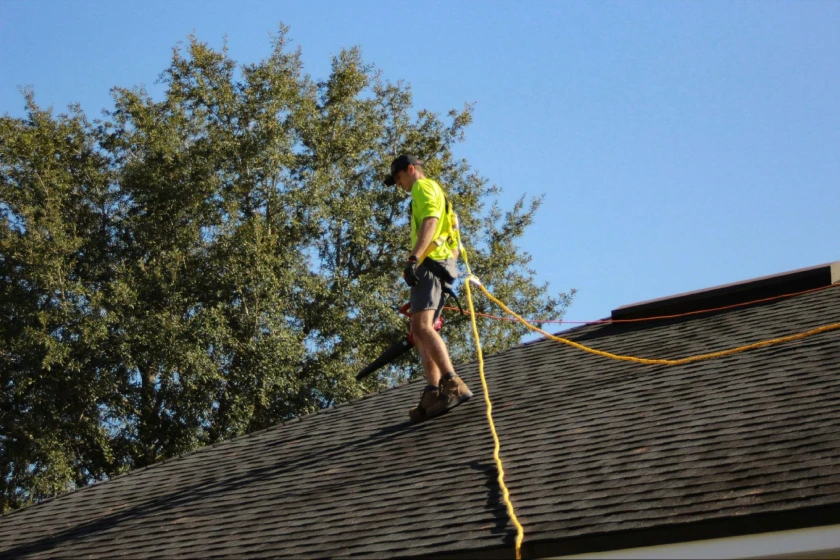
What Roof Repair Usually Means?
Roof repair and replacement are not always equal options, and understanding the difference starts here.
Repair targets a specific problem, leaving most of the roof in place. It involves replacing missing shingles, sealing a small flashing gap, fixing a pipe boot, or stopping a leak near a roof valley.
Your roof benefits most from repair when its useful life remains, and the damage stays within one clear area.
For many Utah homes, repair makes sense after isolated wind damage or a small leak caused by worn sealant around a vent. If your roof deck is sound, the shingles still hold well, and the issue hasn’t spread, a replacement may be too much.
Good Signs That Repair May Be Enough
Repair may be the better path when your roof is less than half its expected life span, the damage covers a small area, and matching materials are available. A ceiling spot below a bathroom vent, for example, points to a failed vent boot rather than a failing roof system.
That said, your inspection should go beyond the visible leak. Water can enter at one point and show up several feet away. A thorough review of shingles, flashing, roof penetrations, gutters, attic stains, and decking helps separate a small repair from a roof system that is starting to deteriorate.
Repair Makes Sense: A focused roof repair may be enough when the issue is limited to one area, the surrounding shingles remain secure, and the roof deck is dry and structurally sound.
What Full Roof Replacement Includes
Full roof replacement and repair decisions differ significantly in scope.
Replacement removes the existing roof covering and installs a new system, including shingles, underlayment, starter strips, flashing, ridge caps, and a ventilation review. In some cases, damaged decking also needs replacement before the new covering goes on.
Replacement makes sense when damage affects large sections, your roof is near the end of its life, or repairs keep stacking up. The choice between roof repair vs roof replacement should also include whether the roof can handle the next five to ten years of Utah weather.
Signs That Replacement May Be the Better Choice
Your roof needs replacement when shingles curl, crack, shed heavy granules, or lose adhesion across wide areas. Repeated leaks after past repairs, storm damage across multiple slopes, or a sagging roof section all point in the same direction.
A roof with many past patches can also lose value as a system. Each repair may fix one weak point while other aged parts remain at risk. At that stage, roof repair vs replacement becomes a question of long-term control.
Key Takeaway: A full roof replacement restores the entire roofing system, helping reduce recurring repairs and providing more reliable long-term protection.
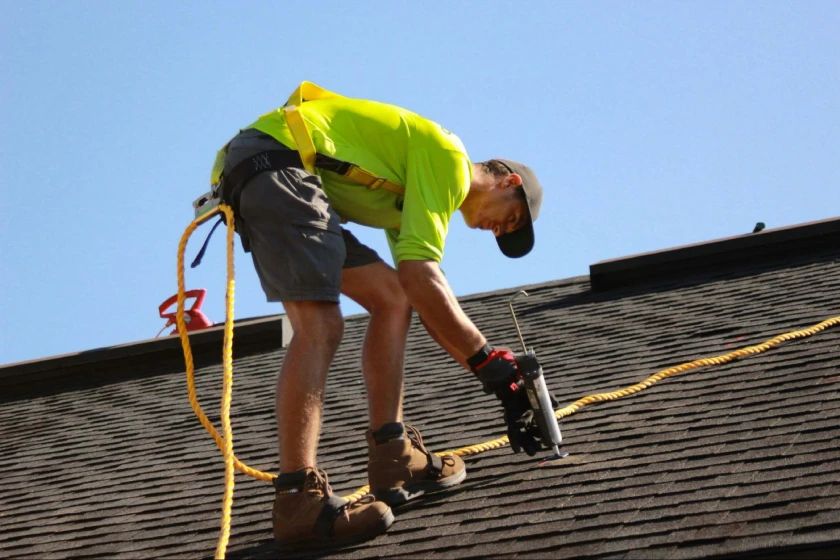
Key Factors That Should Guide the Decision
No single rule answers every case. Experts recommend looking at age, material, damage type, cost, and your future plans before choosing roof repair or replacement.
Roof Age and Material Life Span
Asphalt shingles are common across Northern Utah because they balance cost, weight, and performance well. Most asphalt shingle roofs last about 20 to 30 years, though heat, poor venting, storm damage, and snow load can shorten that range.
A 10-year-old roof with one leak may be a clear repair case, but a 24-year-old roof with brittle shingles may not be worth repeated patching. Permit history, prior owner records, and shingle style can help you estimate your roof’s age.
Damage Severity and Spread
A few missing shingles after canyon wind may call for a focused repair. Widespread lifted shingles, hail bruising, torn flashing, or wet decking point toward replacement.
Storm damage deserves careful review because it doesn’t generally show from the ground. Hail can bruise shingles and reduce their life even when your roof doesn’t leak right away. Slope-by-slope notes and attic checks help document the full condition.
Leak History and Interior Damage
One leak doesn’t always mean full replacement. A leak around a skylight, chimney, or vent may come from flashing failure alone. But repeated leaks in different rooms suggest a broader roof issue. Water stains, soft drywall, damp insulation, mold smell, and attic frost all deserve your attention.
Utah homes can also develop ice dam issues during winter. Snow melts on warmer roof sections, refreezes near eaves, and pushes water under shingles. In those cases, your roof replacement and repair decision should include the attic system, not just the shingles.
Key Decision Factors:
- Overall roof condition
- Type and location of damage
- Repair history and maintenance needs
- Expected service life after repairs
Cost: Repair vs Replacement in Real Terms
One of the main reasons why homeowners compare roof replacement vs repair is cost. Repair usually costs less upfront because it uses fewer materials and less labor. But the lower upfront cost doesn’t always mean the lower total cost over time.
A homeowner in Sandy with a newer roof and one failed pipe boot may get strong value from repair. A family in Ogden with a 25-year-old roof, several leaks, and heavy granule loss may spend more over time by chasing repairs year after year. View roof replacement vs repair costs across your roof’s remaining life, not just the next invoice.
How to Compare Quotes Fairly?
A fair comparison between roof repair or replacement should list the same facts, such as roof size, material type, damaged areas, decking concerns, flashing scope, ventilation changes, warranty terms, and cleanup.
For repairs, the quote should state the exact area being fixed and what isn’t included. With the replacement, you should confirm whether old materials will be removed or covered.
Ask whether matching shingles are available. If your current shingle is discontinued, a repair may leave a visible patch, which may not matter on a rear slope but can affect curb appeal on a front-facing roof.
Before You Decide: A well-documented estimate makes it easier to compare repair and replacement fairly, reducing surprises and supporting a more informed decision.
Utah Climate Factors That Change the Answer
Utah weather makes roof decisions less simple than they look.
Summer heat dries and ages your shingles, winter freeze-thaw cycles expand small gaps, snow stresses weak decking, and high winds lift shingles along ridges, edges, and open slopes. Homes near benches and canyons face stronger gusts than nearby homes in flatter areas.
Local roof design also matters. Low-slope sections, north-facing slopes, shaded valleys, and areas below trees hold snow or moisture longer. Flat roofing sections need different materials and drainage checks than pitched shingle roofs.
Understanding how your roof’s structure, drainage, and weather exposure interact is key to making the right roof repair vs roof replacement call.
Key Insight: The same roof damage can have different implications depending on your home’s location, roof design, and exposure to Utah’s changing weather conditions.
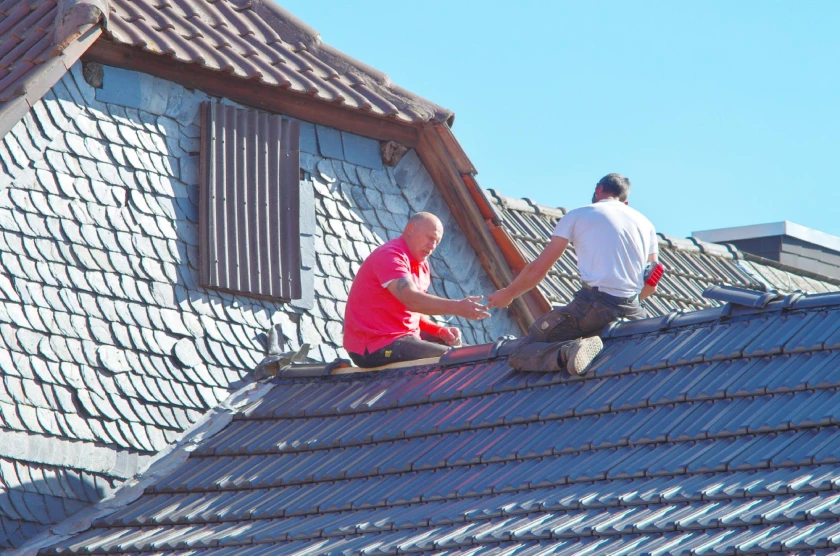
A Simple Decision Framework for Homeowners
Choosing between roof repair and replacement can feel overwhelming when multiple factors are involved. A clear step-by-step process helps you evaluate the roof more objectively and understand whether the problem is isolated or part of a larger system failure.
- First, identify your roof’s age and material.
- Second, map the damage by area.
- Third, check your attic for stains, wet insulation, daylight, or deck sag.
- Fourth, review your past repair history.
- Fifth, compare the near-term cost with the likely life left in your roof.
If your roof is young, damage is isolated, and the deck is dry, repair may be sensible. But when it’s old, damage is broad, leaks repeat, or shingles show system-wide wear, replacement is the stronger move.
Quick Check: If your roof shows signs of widespread wear, recurring leaks, and advanced age, replacement is often the more dependable long-term option.
Insurance, Storm Damage, and Documentation
After hail, wind, or falling debris, documentation helps, and Rooflio notes that insurers may request records like inspection reports, permits, or contractor invoices during claims or underwriting.
Clear photos of missing shingles, dents, damaged flashing, fallen branches, interior stains, and attic moisture can also support a claim review. Dates, storm notes, and repair records show what changed and when the damage appeared.
Insurance coverage depends on your policy, roof age, cause of loss, and adjuster findings. Wear from age differs from sudden storm damage. Keep copies of all roof reports, and consider a neutral inspection report to clarify whether roof repair and replacement fit your condition.
Important Note: Most homeowners insurance policies cover sudden storm-related roof damage but generally exclude damage caused by normal ageing, neglect, or lack of maintenance.
Make the Right Call With Utah Roofing Services
Your roof protects everything underneath it, so the decision between repair and replacement should be based on more than a quick estimate. Roof age, material condition, leak history, storm exposure, and long-term roof replacement vs repair cost all matter.
Once you have made the decision, choosing the right team is what keeps the process smooth and stress-free. That is where Utah Roofing Services can help.
Operating as a DBA of Boxer Homes, we bring local residential building experience, honest assessments, and dependable roofing solutions for Northern Utah homes.
Whether you need storm damage repairs or a full roof replacement, our team focuses on practical recommendations based on your roof’s actual condition. Licensed, insured, and trusted across the Wasatch Front, we help you move forward from inspection to final installation.
Get your free bid from Utah Roofing Services today and know exactly what your roof needs.
FAQs About Roof Repair vs. Roof Replacement
1) Can part of a roof be replaced instead of the entire roof?
Yes. Partial replacement may work when damage affects one slope or section, while the remaining roof still has years of service left. Color matching, shingle availability, flashing connections, and the age difference between sections should all be reviewed before moving forward.
2) Does selling my home soon change the repair-or-replacement decision?
It can. A newer roof may improve buyer confidence and reduce concerns during inspection, but replacement may not offer the same return in every sale. Consider the roof’s current condition, visible wear, local market expectations, and likely repair requests from buyers.
3) Can poor attic ventilation make a newer roof need replacement sooner?
Yes. Trapped heat and moisture can dry out shingles, weaken roof decking, damage insulation, and create winter ice buildup. Fixing the roof without correcting airflow problems may shorten the life of the repaired or replaced system and allow the same damage to return.
4) Is roof repair still worth it if matching shingles are unavailable?
Repair may still stop the leak, but the finished area could look noticeably different. For damage on a rear or less visible slope, this may be acceptable. On front-facing sections, homeowners may prefer partial or full replacement for a more consistent appearance.
5) Should I replace my roof before it starts leaking?
Sometimes. Widespread granule loss, brittle shingles, failing seals, sagging areas, and repeated storm damage can show that the roof is nearing failure even without an active leak. Replacing it before water enters may reduce interior damage and emergency repair costs.