
TL;DR: Hidden roof damage may appear as granules in gutters, dented metal, lifted shingles, ceiling stains, attic moisture, or rising energy bills. Check your home after severe weather and schedule a professional inspection when the damage is unclear or unsafe to access.
A crisis is the sum of blind spots and things ignored, and that’s exactly what happens when you don’t pay attention to your roof.
The roof is one of the most crucial parts of your home that shields you from almost everything, yet 62% of homeowners do not check it, reflecting an “out of sight, out of mind” attitude.
When that happens, you not only damage your roof from within but also end up spending way more than usual.
But we are here to save you from that trouble.
Read this blog as we share why ground checks don’t reveal the roofing issues, the most common signs of roof damage, and what to do to fix them.
Why It Matters: Roof damage rarely becomes expensive overnight. It usually starts with small, hidden issues that worsen over multiple storms and seasons.
Why Ground-Level Checks Miss So Much Roof Damage?
Ground-level checks help, but they have limits. Roof pitch, height, shadows, and shingle color can make damage difficult to spot.
Plus, many signs of roof damage only appear from specific angles. For instance, hail bruises look like dull circles, wind damage shows as slight edge lift, and flashing gaps hide behind chimneys or skylights.
Utah’s strong sun can wear down shingles over time and weaken the seals that keep them in place. Canyon winds can then lift those sections, allowing hidden roof damage to form beneath the surface.
Key Insight: Most hidden roof damage develops beneath the visible roofing surface, making it impossible to confirm the roof’s condition from the ground alone.

Exterior Clues That Point to Roof Trouble
Hail, wind, and debris rarely strike one surface. If your gutters, siding, or metal components show impact marks, your roof likely took force.
Dented Gutters, Vents, and Downspouts
Dents on gutters, downspouts, or metal flashing are clear signs of roof damage after a hailstorm. Round marks in soft metal are easier to spot than shingle bruises, and after storms, they confirm your roof deserves a closer look.
Hail that dents metal can knock granules loose from asphalt shingles, shortening their life and raising leak risk.
Granules in Gutters or Near Downspouts
A sudden pile of sand-like granules in your gutters or splash blocks is another of the most common signs of roof damage after hail or heavy wind.
Granule loss creates dark or bare spots on shingles that are easy to miss from below, but the buildup inside your gutters is often more noticeable. Catching hidden roof damage early prevents more expensive repairs later.
Shifted, Lifted, or Uneven Shingles
A lifted shingle just half an inch above the surface can let wind-driven rain enter. Use binoculars to look for uneven rows, bright underlayment, exposed nail heads, or slightly raised sections.
These are practical clues for identifying hidden roof damage without climbing. If your roofline looks wavy or broken, a deeper inspection is worth arranging.
How It Works: Storm damage rarely affects just one part of a home. When hail or wind damages gutters, flashing, or vents, the roofing materials above them may also have sustained hidden damage that requires closer inspection.
Interior Warning Signs That Should Not Be Ignored
Interior signs can reveal hidden roof damage before the source becomes obvious. Water often travels along rafters, pipes, and drywall before stains appear, so the visible damage shows up far from where the leak actually started.
Ceiling Stains and Wall Discoloration
Brown, yellow, or gray stains near chimneys, skylights, or exterior walls are direct signs of roof damage. A stain may dry out after a storm, then return with the next rain or snowmelt. Paint bubbles, soft drywall, or damp trim near the ceiling line often trace back to flashing or roof penetration failures.
Attic Odors, Damp Insulation, and Light Gaps
Your attic shows roof damage before your living areas do. Damp insulation, dark spots on the roof decking, rusted nails, musty odors, or small beams of light coming through the roof all point to moisture getting in.
When you are inspecting the attic yourself, use a flashlight and move carefully. But if the space feels unsafe or difficult to access, it is best to hire a qualified professional to do the job.
Higher Energy Bills or Cold Drafts
Wet insulation loses its thermal protection, while gaps near roof edges or damaged decking allow outside air to enter the home. As airflow and insulation performance weaken, heating and cooling systems have to work harder, leading to higher energy bills and noticeable drafts.
In areas near the Wasatch Front, poor attic ventilation causes uneven snow melt or ice buildup along the roof. These subtle changes may seem minor, but they point to weak spots on your roof.
What to Notice: Watch for stains, musty smells, damp insulation, drafts, and light entering the attic. Several signs appearing together can indicate a wider roofing issue.
Storm Damage That Looks Minor at First
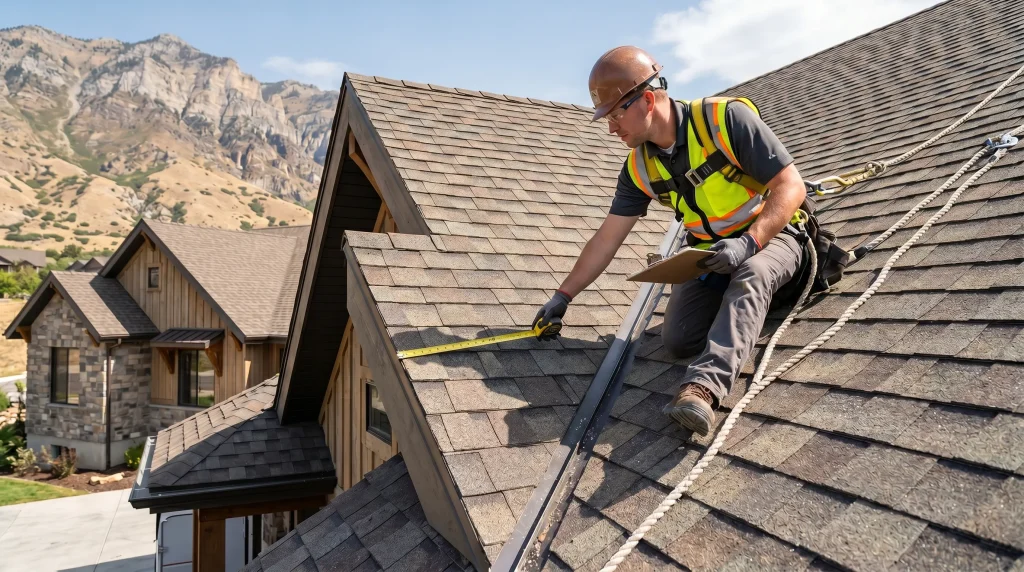
Storm damage does not always cause immediate leaks or obvious problems. Hail weakens shingles without leaving visible holes, strong winds loosen shingles without tearing them off, and falling debris creates small cracks that are easy to miss from the ground.
Catching these issues early prevents moisture from spreading into the roof deck and other parts of the home.
Hail Damage on Asphalt Shingles
Hail damage on asphalt shingles often appears as dark circular spots, missing granules, cracked surfaces, or soft, bruised areas that weaken the roof over time.
Because Utah storms move quickly and hit unevenly, one side of the roof may show clear damage while another looks untouched. That is why identifying hidden roof damage requires a closer inspection of every roof section, not just the areas visible from the ground.
Wind Damage Along Edges and Ridges
Wind damage shows up first along roof edges, ridges, valleys, and corners where pressure is strongest. Shingles can crease, tear, loosen from fasteners, or lift slightly without being obvious from the ground. Ridge caps may also crack or shift over time.
Homes near foothills and east-west canyons face even more wind exposure, which puts added stress on roofing materials. If you hear shingles flapping during a storm or notice loose sections afterward, it is a sign of roof damage that should be addressed before the next weather event.
Snow, Ice, and Freeze-Thaw Stress
Ice dams push water beneath shingles near the eaves, while repeated freeze-thaw cycles slowly widen small cracks in flashing and sealant. Over time, these minor issues turn into hidden roof damage that worsens with each season.
Poor attic airflow makes the problem even worse. Warm air escaping from the attic melts snow from below, the water refreezes along the colder roof edges, and trapped meltwater works its way underneath the shingles.
Material-Specific Signs to Watch
Each roofing system shows wear and damage differently, so knowing what to look for on your specific roof helps you spot hidden roof damage early.
Asphalt Shingle Roofs
Watch for missing granules, lifted tabs, cracked shingles, exposed nails, and uneven color patches. These are the most common signs of roof damage in Utah neighborhoods. A single damaged shingle may not mean major failure, but a pattern across one slope signals storm impact or a larger system issue.
Metal Roofs
Metal roofs show dents, bent seams, loose fasteners, or sealant failure. Damage near seams or penetrations carries the most risk. If your metal roof makes new sounds during storms or panels look raised at seams, those are signs of roof damage that shouldn’t wait.
Flat and Low-Slope Roofs
Flat roofs can make roof damage harder to spot because water drains slowly across the surface. Ponding water, soft spots, open seams, and clogged drains are all important warning signs, and interior water stains may appear far from the actual entry point.
Keeping drains clear and roof edges in good condition prevents water from getting inside flat roofing systems.
A Safe Checklist for Spotting Hidden Damage
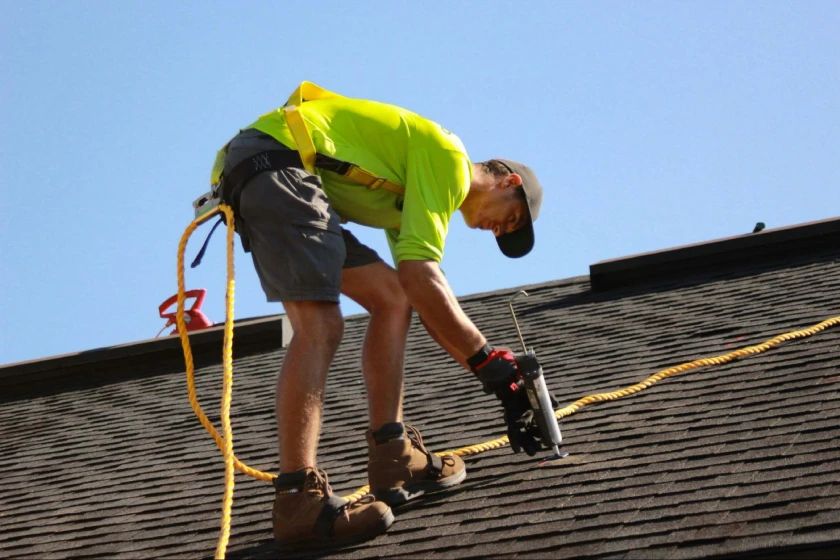
This checklist focuses on the areas where hidden roof damage first appears, from gutters and attic spaces to vents, siding, and roof edges. An inspection after storms or seasonal weather changes helps you catch early warning signs before they lead to leaks, insulation problems, or structural damage.
What to Check Around Your Home:
- Use binoculars or a phone camera to inspect the roof from the ground
- Check gutters and downspouts for granule buildup, dents, or poor drainage
- Look at fascia, soffits, siding, and vents for moisture stains or damage
- Inspect attic spaces for damp insulation, dark spots, musty odors, or light gaps
- Check exterior AC units, fence caps, and metal surfaces for hail marks, indicating roof impact above
- Look for lifted shingles, sagging areas, or uneven roof lines
- Take photos and document damage after major storms to track changes over time
Following this checklist a few times a year, especially after heavy wind, hail, snow, or freeze-thaw cycles, reduces the risk of expensive repairs. If you notice active leaks, storm damage, or areas that are difficult or unsafe to inspect, a licensed roofing professional should handle the evaluation.
Act Before the Next Storm Hits Your Roof
The signs of roof damage covered here, granule loss, ceiling stains, dented metal, attic moisture, and lifted shingles, are all early warnings your home gives you before water reaches the framing.
A steady post-storm review and a clear record of what changed keep identifying hidden roof damage manageable and repairs less costly. When something doesn’t look right, you need a team that knows Utah roofs. That’s where we come in.
At Utah Roofing Services, we bring local residential construction experience across the Wasatch Front. Backed by Boxer Homes’ homebuilding knowledge, we understand how Utah’s climate stresses every roof system and what it takes to protect your home before hidden roof damage becomes a major repair.
Don’t wait for a ceiling stain to confirm what your roof is already telling you. Contact Utah Roofing Services today for a qualified roof review.
FAQs About Hidden Roof Damage
1) What are the most common signs of hidden roof damage?
The most common warning signs include shingle granules in gutters, dented metal, lifted shingles, ceiling stains, damp attic insulation, rusted nails, musty odors, and higher energy bills. These clues may appear before an active leak becomes visible inside your home.
2) How soon should I inspect my roof after a storm?
Check the roof and surrounding surfaces as soon as conditions are safe. Look for granules, dents, loose materials, fallen debris, or interior moisture. Photos taken shortly after the storm can also help you compare changes and document damage for future repair or insurance discussions.
3) Is it safe to inspect roof damage myself?
You can inspect the roof from the ground with binoculars or a phone camera and check accessible attic areas with a flashlight. Avoid walking on the roof, especially after rain, snow, hail, or strong winds. A qualified roofer can inspect areas that are steep, damaged, or difficult to reach.
4) How can a roofer find damage that is not visible from the ground?
A roofer can examine shingles, flashing, seams, fasteners, vents, valleys, ridges, and roof penetrations at close range. They may also check attic decking, insulation, ventilation, and moisture patterns to locate damage that has not yet caused a visible leak inside the home.
5) Why does a roof leak sometimes appear far from the damaged area?
Water rarely drops straight down from the entry point. It can travel along rafters, pipes, roof decking, and insulation before reaching a ceiling or wall. A stain in one room may trace back to damaged flashing or shingles several feet away.