
TL;DR: Most roof problems begin with damaged shingles, small leaks, poor ventilation, failed flashing, moss, sagging, or clogged gutters. Catching these signs early can help prevent damage to the roof deck, insulation, and framing.
Owning a home means a never-ending list of things to check on, and the roof is usually the one you inspect last, mostly because you can’t see it, and partly because you wouldn’t know what you were looking at anyway.
According to Verisk, U.S. roof repair and replacement claim costs reached nearly $31 billion in 2024, up almost 30% from 2022. Rising material costs, aging roofs, and increasingly severe weather all contribute to the growing cost of roof damage.
You don’t need to become a roofing expert to stay ahead of it, though. You just need to know the handful of signs that actually matter.
That’s exactly what this guide covers: the common roof problems worth knowing, what each one looks like in its early stages, and when it’s time to call a roofing professional.
What to Know: Roof damage often starts with small, easy-to-miss signs such as loose shingles, stains, or musty odors. Spotting these issues early can help prevent more serious and expensive repairs.
1. Missing or Damaged Shingles
Wind, hail, and everyday wear take a toll on shingles over time. When shingles crack, curl, or blow off completely, the layers underneath lose their protection against moisture.
You might notice granules collecting in your gutters, bald patches on the roof surface, or shingles that look darker than the rest, a sign the protective coating has worn thin.
Left unaddressed, damaged shingles can expose the underlayment or decking, making the roof more vulnerable to water intrusion. Even a few damaged shingles can affect the surrounding system because overlapping shingles work together to shed water away from the roof deck.
Signs to Watch For: Granules in gutters, curled edges, dark patches, and exposed underlayment can all signal shingle wear. Even a small damaged area can leave nearby roof layers open to moisture.
2. Roof Leaks
Most leaks begin without obvious signs inside your home. More often, you’ll spot a faint yellow-brown stain, a musty smell in the attic, or peeling paint near the roofline. Sometimes the only clue is a slightly warped section of drywall or a bubble forming in your interior paint.
These are classic early signs of roof damage, and they usually mean water has already found its way past the shingles and underlayment. The longer a leak goes unnoticed, the more damage it can do to insulation, drywall, and even the structural framing of your home.
Common Mistake: Do not wait for water to drip from the ceiling before taking action. Stains, musty odors, bubbling paint, and damp insulation often mean a leak has already developed.
3. Poor Ventilation
Attics need consistent airflow to regulate temperature and moisture. Without it, heat builds up in summer and condensation forms in winter, which shortens your roof’s lifespan considerably.
Signs of poor ventilation include unusually high energy bills, ice dams forming along the eaves, or a noticeably hot upstairs during warmer months. You might also notice rusted nail heads in the attic or a faint, persistent mustiness that never quite goes away.
Ventilation issues are easy to overlook because they don’t cause obvious damage right away, but over time they wear down shingles and sheathing from the inside out, shortening the lifespan of materials that would otherwise last for decades.
How It Works: Balanced attic ventilation brings fresh air in and moves hot, moist air out. Without that airflow, heat and condensation can damage shingles and roof sheathing from underneath.
4. Sagging Roof Deck
A roof that dips or sags in the middle usually points to a structural issue, whether that’s water-damaged decking, insufficient support, or age-related wear. This is one of those common roof problems that shouldn’t wait, since a sagging deck can compromise the entire roof system and, in severe cases, put the structural integrity of your home at risk.
If you notice any unevenness when looking at your roofline from the street, or walking across your attic floor feels noticeably springy, it’s worth having a professional take a closer look right away rather than waiting to see if it gets worse.
Watch Out: A sagging roofline or springy attic area can point to weakened decking or structural support. This needs prompt professional inspection rather than a surface-level repair.

5. Flashing Failures
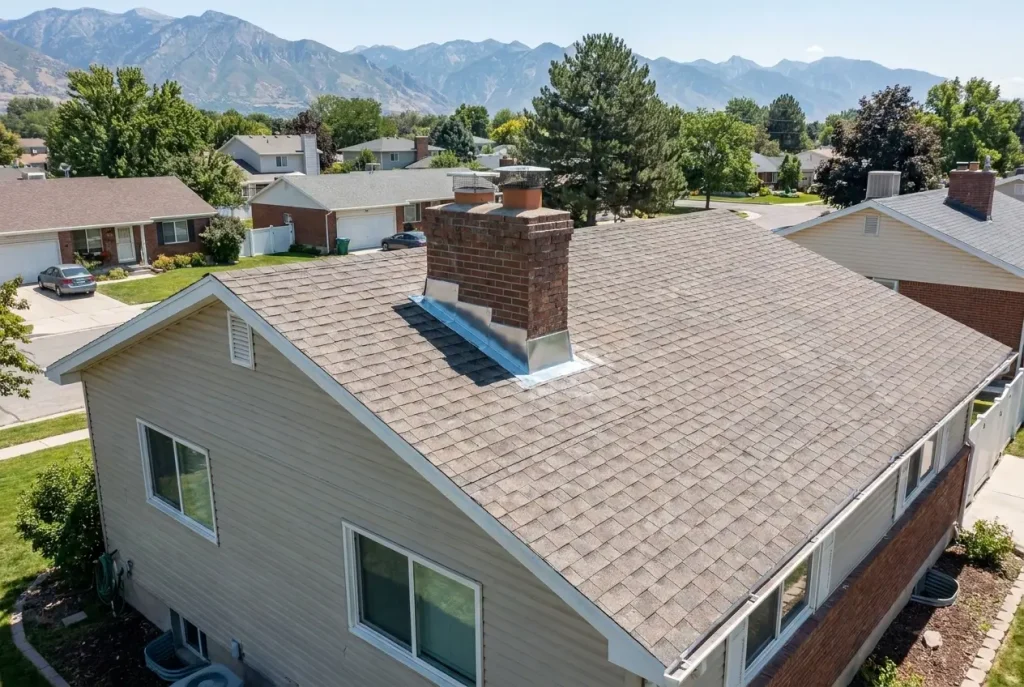
Flashing is the metal material installed around chimneys, vents, skylights, and roof valleys to prevent water from entering the joints where different roof surfaces meet.
Over time, exposure to changing weather conditions can cause flashing to rust, crack, loosen, or pull away from the roof. Even small gaps can allow moisture to reach the underlying structure, leading to leaks and wood damage.
Because flashing failures are usually confined to one area, they’re often mistaken for a much larger roofing problem when a timely, targeted repair could resolve the issue.
In Short: Flashing problems are often limited to one area and may be repairable without replacing the entire roof. Early attention can prevent moisture from spreading into nearby wood and insulation.
6. Moss and Algae Growth
In shaded or humid areas, moss and algae can develop on roofing materials, especially asphalt shingles. Although they may seem like a cosmetic concern at first, moss traps moisture against the roof surface, accelerating shingle deterioration and increasing the risk of lifting or cracking over time.
Algae can also leave dark streaks that indicate prolonged moisture exposure. These visible signs of roof problems tend to spread if left untreated, making routine roof cleaning and maintenance important.
Watch Out: Moss and algae can hold moisture against shingles, so early cleaning can help prevent lifting, cracking, and faster roof wear.
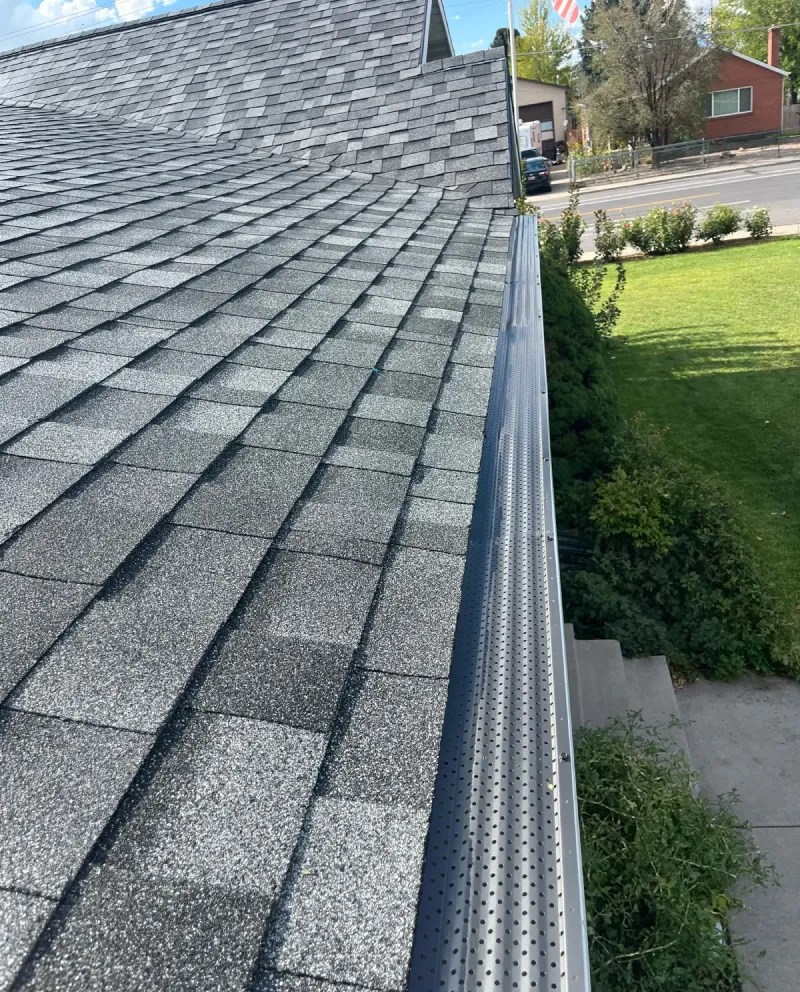
7. Clogged or Damaged Gutters
Gutters play a much bigger role in roof health than many homeowners realize. When they’re clogged with leaves, twigs, and other debris or become damaged, rainwater cannot drain away properly. Instead, it can back up beneath the shingles, overflow along the roof edge, or collect around the foundation.
Over time, this excess moisture can contribute to fascia rot, roof edge deterioration, foundation damage, and even interior leaks. Regular gutter cleaning and timely repairs help protect your roof and home’s structural integrity.
What This Means for You: Keeping gutters clear helps protect more than the drainage system. It also reduces moisture exposure around shingles, fascia, exterior walls, and the foundation.
How to Catch Roof Damage Early and When to Call a Professional
Most early signs of roof problems start small, which is why routine inspections are so important. The average residential roof repair cost reached $4,699 in 2025, a 25% increase over the 2021–2024 average.
Keep an eye out for these warning signs:
- Uneven rooflines, missing shingles, or discoloration when viewing your roof from the ground.
- Daylight, damp insulation, or musty odors in the attic.
- Storm damage, including displaced shingles, dented vents, or fallen debris after high winds or hail.
Inspect your roof from the ground whenever possible, and avoid climbing onto it yourself, especially after a storm or when surfaces may be wet or unstable.
If you notice any of these issues, or any of the roof problems covered in this guide, it is best to have a roofing professional inspect the roof sooner rather than later. A timely inspection can identify the source of the problem, prevent further damage, and keep repair costs lower.
You should also schedule a professional inspection if:
- Your roof is nearing the end of its expected lifespan.
- A major storm, hailstorm, or high-wind event has recently passed through your area.
- Unexplained leaks or a sudden increase in energy bills have started to appear.
- You want peace of mind with an annual roof inspection.
Even if everything appears to be in good condition, a yearly inspection can uncover signs of roof problems that aren’t visible from the ground.
Next Step: Photograph your roof from the ground after major storms and compare those images over time. Changes in shingles, flashing, gutters, or the roofline may be easier to notice this way.
Keep Your Roof Ready for Every Season
Your roof faces changing weather, temperature swings, and everyday wear throughout the year. Giving it the attention it needs makes sure it’s ready for whatever the next season brings while supporting the long-term performance of your entire home.
A well-maintained roof also helps reduce the likelihood of the common roof problems that can affect your home’s comfort, safety, and value over time. When you need experienced roofing professionals, Utah Roofing Services is here to help.
We have the expertise to identify signs of roof problems before they become more serious, providing thorough inspections, dependable repairs, and long-lasting roofing solutions for your home’s needs.
With a commitment to quality workmanship, honest recommendations, and exceptional customer service, our team helps you make confident decisions about protecting one of your property’s most valuable assets.
Schedule a roof inspection today to identify potential issues before they become costly repairs.
Frequently Asked Questions
What are the most common early signs of roof damage?
Missing shingles, granules in gutters, water stains, musty attic odors, sagging areas, and damaged flashing are common warning signs. Catching them early can help limit repair costs.
Can a small roof leak cause serious damage?
Yes. Even a small leak can damage insulation, drywall, decking, and framing if it continues unnoticed. Early inspection and repair can prevent the problem from spreading.
How often should a roof be professionally inspected?
A yearly roof inspection is a practical starting point, especially for older roofs. Additional inspections are recommended after hail, high winds, or major storms.
Is moss or algae growth harmful to a roof?
Moss can trap moisture against shingles and contribute to lifting, cracking, or faster deterioration. Algae may also signal prolonged moisture exposure and should not be ignored.
When should I call a roofing professional?
Call a professional when you notice leaks, sagging, missing shingles, damaged flashing, storm damage, or unexplained energy increases. A timely inspection can identify the source before repairs become more expensive.