
TL;DR: Storm damage is not always visible from the ground. A timely inspection can uncover damaged shingles, flashing, gutters, or moisture entry before the problem spreads.
You don’t need a hurricane to end up with a damaged roof. In Utah, hail, wind gusts, and sudden temperature swings can do plenty on their own. Once shingles are damaged, the risk of moisture intrusion can increase over time.
According to Verisk’s U.S. Roof Report, non-catastrophic wind and hail losses increased from 17% to 25% of residential property claims between 2022 and 2024, showing that routine storms can cause significant damage even outside major catastrophes.
That’s why catching storm damage early can save you thousands down the road. You’ll need someone who can spot problems before they turn into costly repairs, which is where a professional storm damage roofing contractor can help you.
In this guide, you’ll learn how inspections work, what inspectors look for, and how to keep your roof storm-ready year-round.
Key Insight: Storm damage isn’t always obvious, but it can worsen with every season. An early inspection helps identify hidden issues before they become expensive repairs.
Why Storm Damage Roof Inspections Matter in Utah
Utah homes deal with a unique mix of weather conditions. Mountain winds, sudden hailstorms, and heavy snowfall take a toll on roofing materials, even when the damage isn’t obvious from the ground.
A storm damage roof inspection gives you a clear, professional look at what’s happening above your ceiling, well before a leak shows up on your drywall.
Skipping an inspection after a storm can be costly. According to Verisk, the average residential roof replacement cost reached $17,631 in 2025, which was 33% higher than the average recorded from 2021 through 2024. Rising labor and material costs, aging roofs, and wind and hail losses all contributed to higher claim severity.
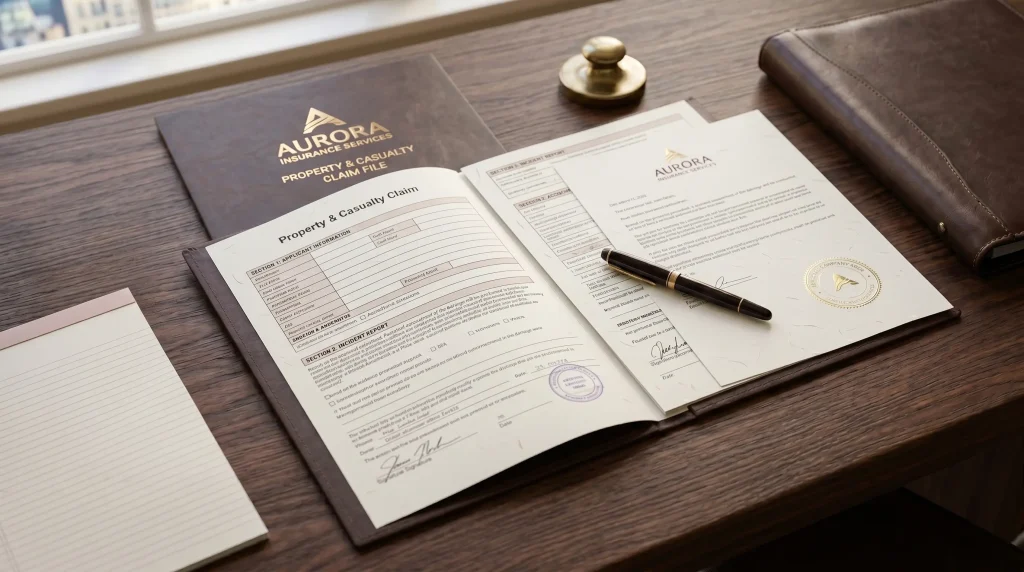
Insurance companies also expect documentation. If you wait too long to schedule an inspection, you may struggle to prove that damage came from a specific storm rather than gradual wear, which can complicate or delay your claim.
Roof age plays a bigger role in this than many homeowners realize. Roofs in visibly moderate or poor condition tend to generate higher loss costs than those rated in good or excellent condition.
That gap widens further with older roofs, since aging shingles have less resilience left to absorb the impact of hail or wind before a leak develops. A storm damage roof inspection helps you understand exactly where your roof falls on that spectrum, so you can plan repairs or replacement on your terms rather than reacting to an emergency.
Why Early Inspections Matter: Inspecting your roof soon after a storm makes it easier to identify damage, document its cause, and address repairs before conditions worsen.

Signs of Storm Damage on Your Roof
Knowing the signs of storm damage on roof surfaces helps you decide when to call in a professional. Some clues are visible from your yard or through binoculars, while others require a professional inspection.
Missing or Displaced Shingles
High winds can lift, crack, or completely remove shingles, leaving bare patches that expose your roof deck to moisture. You may spot these gaps from the ground along roof edges and ridgelines. Even one missing shingle creates a direct path for water to reach the underlayment.
Granule Loss
Check your gutters and downspouts for a buildup of gritty, sand-like granules after a storm. This usually means hail or wind has stripped the protective coating off your shingles. Consistent granule loss is one of the obvious signs of storm damage on roof surfaces worth a closer look.
Dents and Bruising
Hail often leaves small dents or soft spots on shingles, vents, and flashing, even when the surface still looks intact. These bruises may not leak immediately, but they weaken the roof’s ability to drain water over time. Metal vent caps and flashing usually show dents most clearly.
Cracked or Curling Shingles
Sudden temperature swings combined with storm impact can cause shingles to crack or curl at the edges, creating easy entry points for water. Curling tends to appear first along corners, where shingles face the most wind lift. Once cracked or curled, shingles rarely recover on their own.
Damaged Flashing and Seals
The metal flashing around chimneys, vents, and skylights is especially vulnerable to wind uplift during a storm. As soon as seals break or flashing pulls loose, leaks tend to follow quickly, often in spots that are hard to notice from the ground. These transition points deserve close attention during any inspection.
Interior Water Stains
If you notice discoloration on ceilings or upper walls after a storm, it is one of the most apparent signs of storm damage to roof structures that has already progressed beyond the surface. By the time you notice a stain indoors, moisture has already penetrated your roofing system.
Spotting even one of these indicators is a good reason to schedule a professional inspection rather than waiting for a bigger issue to develop.
Check What Changed: After a storm, look for anything that appears different, including missing shingles, fresh dents, new stains, or debris around the roofline.
What Happens During a Professional Inspection
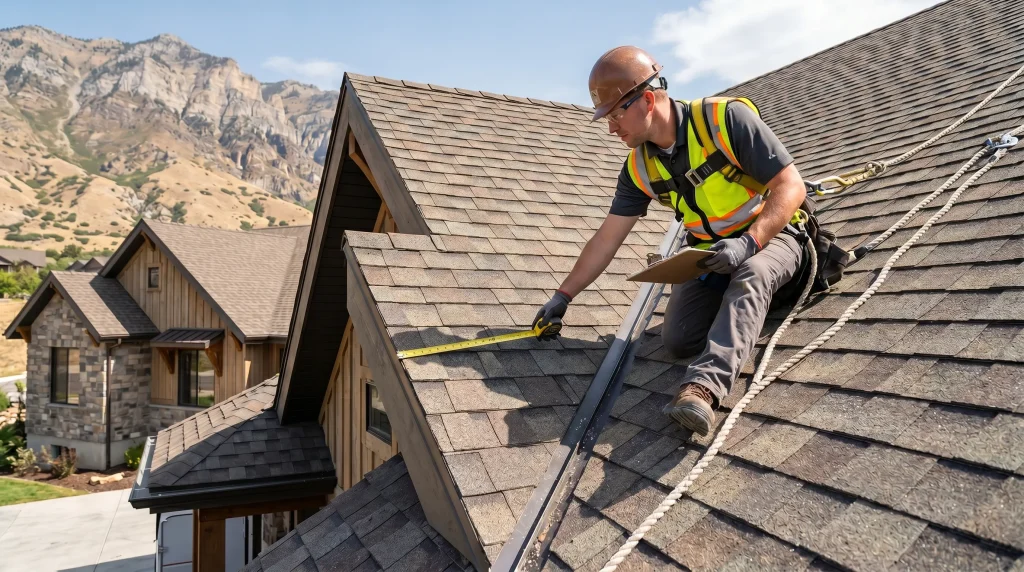
A thorough storm damage roof inspection covers more than a glance from the ground. Expect a qualified inspector to check:
- Shingle condition, including granule loss, cracking, and displacement
- Flashing around chimneys, vents, and skylights
- Gutters and downspouts for debris, dents, or separation
- Attic space for signs of moisture intrusion or daylight coming through the deck
- Overall structural integrity, especially after heavy snow loads or high winds
Many inspectors also provide detailed photo documentation, which becomes valuable if you decide to file an insurance claim. Having this record on hand can make the claims process considerably smoother.
Expert Tip: Make sure the inspection covers both the roof surface and the attic, since storm damage may show up differently in each area.
Choosing the Right Storm Damage Roofing Contractor
Not every roofer is equipped to handle storm-related repairs the right way. When you’re comparing options, look for a storm damage roofing contractor with a track record of working directly with insurance companies and a solid understanding of local building codes.
A dependable professional should offer:
- Proper licensing and insurance for work in Utah
- Experience specifically with storm and hail damage claims
- Clear, itemized estimates before any work begins
- Willingness to meet with your insurance adjuster if needed
- Local references and verifiable reviews
Be cautious of contractors who show up unannounced after a storm, pressure you into signing a contract on the spot, or ask for full payment upfront. A trustworthy storm damage roofing contractor takes time to explain findings, answer questions, and give you room to make an informed decision.
Communication matters just as much as craftsmanship. A good contractor walks you through the inspection results in a simple way, explains which repairs are urgent versus cosmetic, and provides a written scope of work before any materials are ordered.
This kind of transparency not only protects your investment but also strengthens your position if your insurance company questions any part of the claim. Taking the time to vet a storm damage roofing contractor properly now can save considerable stress later, especially if additional damage surfaces once repairs are underway.
Know the Difference: Ask whether the damage appears storm-related or caused by normal aging. That distinction can affect the repair plan and any insurance claim.
Timing Your Inspection
Ideally, schedule an inspection within a few days of a significant storm, especially one involving hail, strong winds, falling branches, or visible roof debris.
Utah’s seasonal shifts also make a strong case for routine checkups. A fall inspection before snow season and a spring assessment after winter can catch issues that seasonal weather introduces gradually rather than all at once.
If your roof is more than 15 years old, consider expert evaluation a little more frequently. Aging materials are more susceptible to storm damage, and proactive inspections can identify repairs that may prevent further deterioration.
Stay Prepared: A routine roof inspection provides a clear record of your roof’s condition. That baseline makes it easier to spot new storm damage after future weather events.
Protect Your Home With a Trusted Roofing Partner
A storm doesn’t need to be catastrophic to leave lasting damage on your roof. From missing shingles to weakened flashing, the signs of storm damage on roof surfaces are often subtle at first and easy to overlook without a trained eye.
Scheduling a storm damage roof inspection soon after severe weather, and staying consistent with seasonal checkups, gives you the best chance of catching problems early and keeping repair costs manageable.
Of course, spotting these issues is only half the equation. Getting an accurate, honest assessment from someone who understands Utah’s climate and building requirements makes all the difference in how smoothly your repairs and insurance claim go.
That’s where Utah Roofing Services comes in.
With deep experience in handling storm damage across Utah communities, our team combines careful, detailed inspections with straightforward guidance, so you always know exactly where your roof stands and what your options are.
From documenting damage for your insurance claim to completing repairs with quality materials, we focus on protecting your home for the long run. Schedule an inspection with Utah Roofing Services today and get ahead of the next storm.
Frequently Asked Questions
Do I need a roof inspection if there are no visible leaks?
Yes. Hail, wind, and loose flashing can damage the roof before water stains or leaks appear inside the home.
How soon should I schedule an inspection after a storm?
Arrange an inspection within a few days of significant hail, strong winds, falling branches, or visible roof debris.
What storm damage can be difficult to see from the ground?
Granule loss, shingle bruising, loose flashing, damaged seals, and small cracks may require a closer professional inspection.
What should I receive after a storm damage roof inspection?
A thorough inspection should include clear findings, photos of damaged areas, and an explanation of recommended repairs.
Does the age of my roof affect how often it should be inspected?
Yes. Older roofing materials are generally more vulnerable to storm damage, so roofs over 15 years old may benefit from more frequent evaluations.