
TL;DR: Regular roof maintenance helps Utah homeowners catch damage early, reduce emergency repairs, and protect the roof from sun, snow, hail, and temperature swings.
Your roof works harder than almost any other part of your house, and it rarely gets the attention it deserves until something goes wrong. Between scorching summer sun, heavy winter snowfall, and unpredictable hailstorms, Utah’s climate puts constant stress on residential roofing.
In fact, the average U.S. residential roof replacement cost climbed to $17,631 in 2025, a 33% jump from the previous four-year average. Verisk attributes the rising risk and costs partly to aging roof stock and volatile hail exposure.
That statistic alone makes a strong case for staying ahead of small problems before they become expensive ones. This is where roof maintenance in Utah becomes essential.
In this blog, you’ll learn why consistent upkeep matters, what it actually protects you from, and how partnering with the right team keeps your home safe and budget intact.
Why Maintenance Matters: Roof maintenance matters because small issues can spread beneath the shingles before you notice a leak. Routine checks help find those problems while they are still easier to manage.
Utah’s Climate Is Tougher on Roofs Than You Might Think
Utah homeowners deal with a unique mix of weather extremes throughout the year.
Summers bring intense UV exposure and rapid temperature swings, while winters deliver heavy snow loads, ice dams, and freeze-thaw cycles that can damage shingles and flashing. Add in occasional hailstorms along the Wasatch Front, and you have a formula for accelerated wear and tear.
Without timely care, these conditions chip away at your roof’s structural integrity long before you notice a leak inside the home. That’s why roof maintenance for homeowners in this region looks a little different than it might in milder climates.
Note: Utah roofs can face intense sun and heavy snow within the same year. That repeated heating, cooling, freezing, and thawing can speed up wear around shingles, flashing, and seals.

5 Benefits of Staying on Top of Roof Care
It’s easy to assume that if your roof isn’t actively leaking, it’s fine. But damage builds gradually and invisibly. Understanding the roof maintenance benefits can help you see why a small investment now pays off significantly down the road.
1. Catch Problems While They’re Still Small
A cracked shingle or a small area of deteriorating flashing is inexpensive to fix. Left unaddressed, that same issue can lead to water infiltration, mold growth, and even structural damage to your roof deck. Routine inspections catch these red flags early, keeping roof repairs straightforward and cost-effective.
2. Extend Your Roof’s Lifespan
Many residential roofing systems last roughly 20 to 50 years. However, the expected lifespan varies considerably by material, installation quality, climate, and maintenance.
3. Protect Your Home’s Energy Efficiency
Damaged or aging roofing materials compromise insulation and ventilation, which forces your HVAC system to work harder. Proper roofing, insulation, and ventilation can help reduce unnecessary heating and cooling demands.
4. Preserve Your Home’s Value
Whether you’re planning to sell soon or stay for decades, a well-maintained roof signals to appraisers, inspectors, and future buyers that your home has been cared for. It’s one of the first things people notice, and neglecting here can drag down your property’s overall value.
5. Avoid Costly Emergency Repairs
Emergency roof repairs almost always cost more than scheduled maintenance. Recent industry data shows that homes with roofs in moderate-to-poor condition carry roughly 60% higher loss costs than homes with roofs in good or excellent condition. Staying proactive keeps you out of that higher-cost category.
What Regular Roof Care Protects:
- Shingles, flashing, decking, and framing from moisture damage
- Attic ventilation, insulation, and indoor comfort
- Your home’s appearance and overall value
- Your budget from unexpected emergency repairs
- The remaining service life of your roofing system

What Do Professional Roof Maintenance Services Actually Include?
Not all upkeep requires a professional, but many critical tasks do. Comprehensive roof maintenance services typically cover:
- Detailed inspections of shingles, flashing, vents, and seals to identify wear before it becomes a leak
- Gutter and drainage checks to prevent water pooling and ice dam formation during Utah winters
- Debris removal, including leaves, branches, and granule buildup that trap moisture against your roofing material
- Sealant and flashing repairs around chimneys, skylights, and vents where leaks most commonly originate
- Post-storm assessments after hail or heavy snow events to catch hidden damage early
Attempting to inspect a steep or aging roof yourself carries real safety risks, and it’s easy to miss subtle signs of damage without trained eyes. For these reasons, homeowners may benefit from bringing in a professional for an annual inspection and after severe weather.
What to Expect: A professional visit should identify current damage, areas likely to fail next, and any repairs that should be prioritized. You should also receive a clear explanation of what needs attention and why.
How Often Should You Schedule Roof Maintenance?
A good rule of thumb is to schedule a professional inspection annually, along with a follow-up check after any major storm. Older roofs, roofs with a repair history, or homes beneath overhanging trees may benefit from spring and fall inspections.
Your specific home, roofing material, and location play a role in determining the ideal maintenance schedule.
Tip: Spring is a good time to check for winter damage, while fall inspections can prepare the roof for snow and freezing conditions. Additional checks are useful after severe weather.
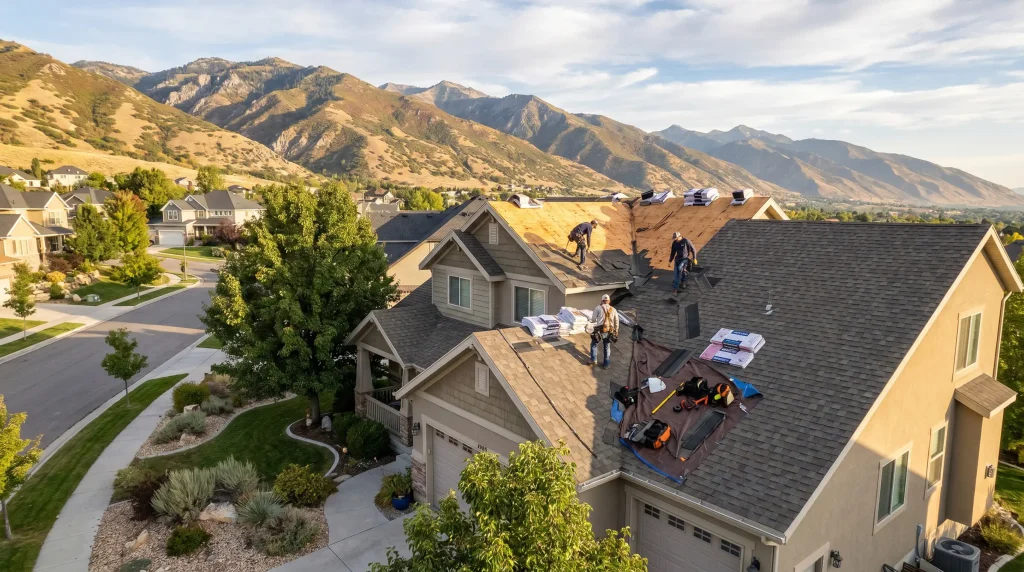
5 Roof Warning Signs You Shouldn’t Ignore
Between scheduled inspections, keep an eye out for warning signs that indicate your roof needs attention sooner rather than later:
- Curling, cracked, or missing shingles
- Granules collecting in the gutters
- Water stains on ceilings or interior walls
- Sagging areas along the roofline
- Daylight visible through the attic boards
Catching any of these early can be the difference between a minor repair and a major renovation.
Red Flag: Sagging areas, visible daylight in the attic, or spreading water stains may point to more than surface wear. These signs should be inspected promptly.
Protect Your Investment with Trusted Local Expertise
Roof maintenance isn’t just about avoiding leaks, but also about protecting one of the largest investments you’ll ever make in your home. Regular inspections, timely repairs, and seasonal upkeep work together to extend your roof’s lifespan, improve energy efficiency, and shield your home from Utah’s demanding climate.
Given how much local weather patterns influence roofing wear here, having a team that understands Utah’s specific challenges makes the difference between generic upkeep and truly effective care.
That’s exactly where Utah Roofing Services comes in.
With deep knowledge of the region’s weather extremes and a commitment to thorough, honest inspections, we help homeowners catch problems early and avoid costly surprises. Our team brings the experience and attention to detail your roof needs to perform at its best, year after year.
Schedule your roof inspection with Utah Roofing Services today and give your home the protection it deserves.
Frequently Asked Questions
How often should homeowners schedule roof maintenance in Utah?
Most homeowners should schedule a professional roof inspection once a year and after major storms. Older roofs or homes near overhanging trees may need more frequent checks.
What does professional roof maintenance usually include?
It typically includes checking shingles, flashing, vents, seals, gutters, drainage, and areas where leaks commonly begin. Minor repairs and debris removal may also be recommended.
Can regular roof maintenance help prevent leaks?
Yes. Routine inspections can identify cracked shingles, loose flashing, blocked gutters, and damaged seals before water enters the home.
Should I have my roof inspected after a hailstorm or heavy snow?
Yes. Hail, strong winds, and heavy snow can cause damage that may not be visible from the ground. A post-storm inspection can help catch hidden issues early.
What are the main signs that a roof needs maintenance?
Missing or curling shingles, granules in gutters, ceiling stains, sagging areas, and daylight in the attic are common warning signs. These issues should be checked promptly.